Placemaking in Vermont: How Shaping Our Shared Spaces Can Boost Well-Being
Learn about a gratitude project that made a lasting impact in Bristol and how you can make a difference in your community.
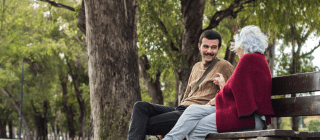
Imagine a Vermont town center where people linger on benches, stroll past public art, stop to chat under shady trees, or take part in a community project. That’s not just a lovely idea — it’s placemaking: the process of transforming public spaces into community-focused destinations. Unlike traditional development that prioritizes roads and buildings for cars or utility, placemaking focuses on people, specifically how they feel and interact in shared spaces.
Placemaking efforts can help:
- Build community connections. Shared spaces give people opportunities to meet, talk, and forge social ties. When public spaces encourage social interaction and a sense of ownership, they help reduce anxiety, isolation, and depression.
- Encourage activity. Walkable, inviting town centers and green spaces nudge people to move more, boosting physical health and lowering risk of chronic disease.
- Support meaningful engagement. Places that reflect local culture (through art, history, or collaborative design) help residents feel seen and valued, reinforcing identity and belonging.
The Bristol Gratitude Tree
One beautiful example of hyper-local placemaking in Vermont is the Bristol Gratitude Tree initiative, started by Porter Knight in the fall of 2024. This project invites residents and visitors to write down what they are grateful for on a paper “leaf” and hang it on a small tree in the center of town.
“For me, placemaking is about making everybody feel safe and included… and like they want to extend that to everyone else,” shares Porter.
Porter calls the Bristol Gratitude Tree a “magnetic” experience that inspires big, bright smiles – an observation backed by research. According to many psychologists, expressing gratitude can help us feel greater happiness and improve our overall health.
“I’ve had people reach out to me from other communities and say, ‘Can I do that?’ and I’m like, ‘Of course you can do it! It’s not a patented thing!” says Porter, who encourages us all to take placemaking ideas to our own communities. Her advice is to “do what you do with love and joy, without being attached to the outcome.”
Ways You Can Try Placemaking
You don’t need a grant or years of experience to make a community more welcoming. Here are a few simple ways to engage in placemaking at any scale:
Start a Gratitude or Story Project
Inspired by the Bristol Gratitude Tree, invite friends or neighbors to share what they’re thankful for — on a board, a tree, or online community space. It’s a small act that deepens connection and prompts meaningful reflection.
Host a Pop-Up Event
Organize a picnic, art walk, or music session in a local park or open space. These kinds of events bring people together and transform spaces into places to have fun.
Adopt a Street or Garden
Volunteer with your town’s beautification team — planting flowers, cleaning up sidewalks, or adding signage that reflects local character. Placemaking thrives on community ownership.
Advocate for Small Changes
Suggest benches, murals, or bike racks to your town board or neighborhood association — these small amenities make big differences in how people use and enjoy space.
Placemaking is rooted in the truth that where we live affects how we live. Every person can play a role in shaping our communities into places that inspire healthier lives.
Placemaking Resources
Across Vermont, placemaking efforts range from grassroots projects to statewide support programs:
- Better Places grants empower communities to build inclusive public spaces, from pop-up parks to main street enhancements — all designed to spark local engagement and pride.
- AARP Vermont’s Winter Placemaking Grants support creative seasonal public space activities — especially important in winter months when social isolation can rise.
- Local nonprofits and foundations provide grant funding that can be used for creative placemaking initiatives.