Tips for Staying Safe in the Woods
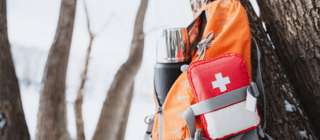
Learn how to stay safe and avoid hazards like chainsaw injuries, being struck by falling trees and branches, getting lost, insect and animal bites, and hypothermia.
Fall is when many Vermonters head into the state’s 4.6 million acres of forestland—nearly 80% of Vermont’s total area. Some enter the woods for recreational activities like hiking and hunting. Others are there to work, doing tasks such as cutting firewood and maintaining trails before winter’s snow arrives.
Whatever your reason for spending time in the forest, it’s important to learn how to stay safe and avoid hazards like chainsaw injuries, being struck by falling trees and branches, getting lost, insect and animal bites, and hypothermia.
Here are tips for being comfortable and staying safe while in the woods this season.
Gear and Preparation Tips
Safety measures begin well before you step into the forest. You need to have appropriate clothing and gear, as well as a communications plan in place in case something goes wrong.
- Check the weather forecast. Know what weather conditions you will be encountering while in the woods so that you can dress appropriately for the forecast temperatures, winds, and precipitation. The National Weather Service issues mountain weather forecasts for many locations in Vermont.
- Dress in layers. Your time in the forest will be much more enjoyable if you are dry and warm, rather than cold and wet. Wear at least three layers of clothing: a base layer next to your skin such as a long-sleeve polypropylene shirt to wick moisture away; a middle layer like a fleece pullover to trap body heat; and an outer layer such as a waterproof jacket to protect against rain and snow. As you exert yourself, you can remove one or more layers to stay cool and let sweat escape. When you are not being as active, put layers back on to stay warm and prevent hypothermia (low body temperature). Don’t forget a hat or head covering that helps keep your head and ears warm while shedding rain and snow. Waterproof gloves or mittens are also good to have along.
- Wear sturdy boots. Good footwear is essential for preventing injuries while walking over rough terrain in the forest. Look for waterproof boots that have plenty of ankle support and aggressive tread to help you keep from slipping. For activities like using a chainsaw or other tools, safety toe boots offer additional protection.
- Be visible. During hunting season in the fall, it’s a good idea to make yourself visible to hunters by wearing at least one item of clothing—a jacket, vest, or hat—that is blaze orange. If you are taking a pet into the forest, put blaze orange on them too.
- Take plenty of water. Cooler weather in the fall makes it easier to work in the forest, but strenuous activity like cutting wood still makes you sweat and can dehydrate you. Carry plenty of water and drink often to stay hydrated. If you plan to be in the woods for longer periods, also bring healthy snacks like trail mix to keep your energy up.
- Carry a first aid kit. Despite the best planning, accidents can happen in the forest and help may be a long way away. Bring a first aid kit with you that includes adhesive bandages, gauze pads, elastic wraps, cloth tape, antiseptics and ointments, tweezers, scissors, and over-the-counter pain relievers. If you or someone in your group has allergies, be sure to include allergy medications. You can purchase ready-made first aid kits or make your own.
- Pack a map and compass. It gets dark early in the fall and overnight temperatures can be life threatening. If you are going into unfamiliar territory, bring a map and compass in case you get lost. Don’t rely on mobile devices as their batteries can die quickly in colder weather and signal coverage can be spotty in rural Vermont. Also take a flashlight or headlamp.
- Tell someone where you are going. Whenever you enter the woods, it is important to have a communications plan with a family member or friend. Let them know where you are going and when you expect to be back. If you are overdue and haven’t checked in, the person will be able to contact authorities and tell them where to start looking for you.
Chainsaw Safety Tips
With the high price of home heating, more Vermonters are opting to cut their own firewood. If you are new to using a chainsaw, here are some basic safety tips.
- Use protective equipment. Using a chainsaw can result in injuries from bodily cuts, debris getting in the eyes, and loud noise damaging hearing. Wear chaps or pants that are designed to stop a chainsaw’s teeth from cutting your leg if you slip or experience kickback. Also wear a forestry helmet with earmuffs to protect your hearing, a visor to shield your eyes from flying wood chips, and an ABS plastic protective shell to keep falling branches from injuring your head.
- Don’t work alone. Falling trees or large branches can pin you down and leave you unable to get help. It’s best to have another person with you when felling trees so that they can seek assistance if there is an accident.
- Look up first. Before cutting a tree, look up first to see if there are any broken or loosely hanging branches that may fall and hit you. To pull a branch down, throw a weight attached to a rope over it and then tug while standing clear of the fall zone.
- Start the saw on the ground. Until you are experienced at using a chainsaw, it’s best to start it while the saw is on the ground. Putting your foot on the rear handle helps keep the saw from moving when pulling the starter cord.
Have an escape route. Assess the area before felling a tree to determine the fastest route to get away as the tree begins to come down. - Avoid kickback. A chainsaw can suddenly jump back at you and cause serious injuries. To prevent kickback, do not let the top front tip of the chainsaw bar contact wood or other objects. Stand to the left of the cutting path when operating a chainsaw so that your body is not directly in line with the saw if it kicks back. Hold the chainsaw firmly with both hands and throttle the saw up to full power before placing it on wood. Keeping the chain sharp also helps prevent kickback.
There is much more to learning how to use a chainsaw safely. Taking an educational class like The Game of Logging will give you advanced chainsaw handling skills.
Other Forest Safety Tips
When you are in the forest, taking these steps will help you avoid health problems.
- Watch the ground ahead of you. The ground in the forest often contains tripping hazards such as roots and rocks. In the fall, hazards may be covered with leaves and difficult to see. To avoid injuries like a sprained ankle or twisted knee, keep your eyes on the ground about six feet ahead of you and watch for anything that might cause you to lose your balance. Walking at a slower pace than you normally do is a good idea, to give you more time to spot hazards and react.
- Prevent tick bites. Ticks are still active in the fall and may carry diseases like Lyme, anaplasmosis, and babesiosis. To prevent ticks from getting on you, wear clothing treated with permethrin, an effective tick repellant. Also tuck your pants legs into your socks to keep ticks from getting inside your pants. Learn more by reading our blog article on preventing tick bites.
- Avoid wild animals. Many wild animals that inhabit Vermont’s forests are nocturnal and are rarely seen by humans during the daytime. However, you may still come across some wild animals and should be prepared to avoid them. Bears are very active in the fall as they feed to fatten up for their winter hibernation. If you see a bear, stay calm and don’t run. The black bears that live in Vermont’s forests are usually timid and will move away from you once they are aware of your presence. If the bear doesn’t move, silently and slowly back away from it and leave the area. Raccoons are another animal to be cautious of, as they may be carrying rabies. Stay at least 20 to 30 feet away from any raccoon that you see and control dogs or other pets so they don’t come in contact either. If you are bitten or scratched by a raccoon, immediately go to a hospital emergency department or urgent care clinic.
- Spot hazardous plants. Freezing overnight temperatures in the fall have likely killed many of the hazardous outdoor plants we have in Vermont, but a few remain and can cause illnesses. Watch out for poison ivy and poison sumac. Their leaves turn colorful in the fall and may be mistaken for other foliage. Don’t handle their leaves, stems, or vines. Don’t burn vines, as inhaling the smoke can cause severe lung inflammation. Fall is when several poisonous plants, such as Virginia Creeper, produce berries or seed pods that are toxic when ingested. Learn how to identify hazardous plants so you can avoid them.
Enjoy Time in the Forest
Spending time in the forest can be a healthy activity, as the serene setting and physical exercise are major stress relievers. We hope you’ll use the tips in this article to safely enjoy our state’s most abundant natural resource this season.