
Ten Steps for Healthier Grilling
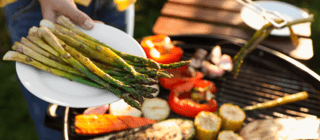
Take steps to protect your health from cancer-causing compounds produced by grilling at high temperatures.
One of our favorite ways to enjoy Vermont’s summer is getting together with friends and family for a cookout. There’s nothing better than barbecuing fresh vegetables and meats on the backyard grill. However, if not done properly, grilling can be harmful to your health.
Cancer-causing compounds can be produced from grilling meat at high temperatures. These include:
- Heterocyclic amines (HCAs), which form when the proteins in meat, poultry, and fish react with high heat.
- Polycyclic aromatic hydrocarbons (PAHs), which occur when fat and juices from meat drip into the flames, creating smoke that deposits PAHs onto the meat.
Does that mean you have to stop grilling meat to be safe? Not at all! You can still enjoy grilling meat, and protect your health, by following these steps in preparation and cooking.
Steps for Safe Grilling
- Choose healthier proteins. Skinless chicken breasts, ground turkey burgers, and fish are healthy options for the grill. For beef and pork, look for cuts labeled as lean. Not only are lean meats lower in saturated fat, they also burn less easily on the grill and drip less fat, which reduces harmful smoke. Be sure to trim off any visible fat from the meat before cooking.
- Marinate first. Marinating meat, poultry, or fish for at least 30 minutes before cooking can greatly reduce the formation of HCAs. It works because spices and herbs in marinade like rosemary, garlic, and turmeric help lower HCA levels. Acidic ingredients in marinade, like vinegar, change the pH level of the meat, reducing HCA and PAH levels. Avoid sugary marinades, as the sugars tend to produce more charring. Instead, look for marinades made with olive oil, lemon juice, and herbs and spices. Marinades often contain a lot of sodium, so check labels for low-sodium or salt-free options.
- Precook your meat. Partially precooking your meat in the oven or on the stovetop reduces the amount of time it’s on the grill, thus reducing HCAs and PAHs.
- Wrap foods in foil. Putting some foods, like potato slices, in foil before adding them to the grill helps keep them from charring and protects them from smoke.
- Keep the flames low. Grilling over a lower heat source will reduce formation of HCAs and PAHs. If you are using a wood-fired grill, select hardwood chips like hickory or oak that produce consistent heat, rather than softwoods like pine or spruce that burn fast and produce more smoke. Flip the meat frequently to prevent charring.
- Cut meat into smaller parts. Rather than selecting big, thick pieces of meat that need a long time on the grill to cook, choose smaller cuts that will cook more quickly, thus reducing the time they are exposed to flames. You can also cut bigger pieces into smaller portions before putting them on the grill.
- Trim off charred bits. Before serving the meat, cut off any parts that became charred during grilling.
- Grill fruits and vegetables. HCAs are not produced from grilling fruits and vegetables, so adding them to your cookout is automatically healthier. Popular grilling veggies include asparagus, mushrooms, zucchini, eggplant, corn on the cob, bell peppers, and onions. Fruits that grill well include pineapple, peaches, watermelon, and mangos.
- Choose healthier side dishes. Vermonters love baked beans, potato salad, and egg salad as side dishes for cookouts, but these can contain high levels of sugar, sodium, and fats. Instead, make healthier sides like three-bean salad in a vinaigrette, fruit salad, or whole grain pasta salad.
- Clean your grill. After a cookout, be sure to clean your grill thoroughly to remove any charred meat stuck to the rack or the interior. This will help prevent smoke and burning the next time you use the grill.
Enjoy the Flavors of Summer
Locally grown fruits, vegetables, and meats all come together on the grill to produce memorable summer cookouts. You can find fresh ingredients for your next grilling session at a farmers market near you. We hope you’ll grill often, following our tips for healthier grilling, and enjoy the flavors of Vermont’s summer!