
Improving the Quality of Your Sleep
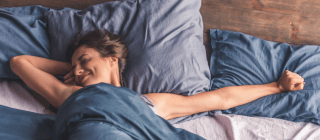
From the right type of pillow for your sleep style to how to manage sleep apnea, learn steps you can take to improve the quality of your sleep.
American adults spend about seven hours per night in bed on average, which meets the minimum recommendation for daily sleep. However, the quality of that sleep time is often less than ideal.
Almost four in 10 adults are dissatisfied with the quality of their sleep and do not feel refreshed in the morning, according to a survey by the National Sleep Foundation. Almost half of the adults surveyed reported waking up somewhat often or more during the night.
Poor quality sleep can have a direct impact on health. It can increase the risk of cardiovascular problems, reduce the efficiency of the immune system, and impair brain functions like concentration and decision-making. Poor sleep is also closely linked to mood disorders such as anxiety and depression.
The good news is there are steps you can take to improve the quality of your sleep. This includes controlling medical conditions that interfere with sleep, such as sleep apnea, and creating a better environment for sleep, such as using a pillow designed for your sleeping style. We invite you to learn more about how sleep works and what you can do to boost its quality.
Sleep Cycles
Sleep time is not all the same. As you slumber, you go through different stages of brain activity, ranging from light sleep to rapid eye movement (REM) sleep. These stages repeat themselves in a cycle. A cycle takes between 90 to 120 minutes, with most people going through several cycles per night.
A sleep cycle progresses this way:
- Light sleep consisting of stage 1 (when a person is falling asleep) and stage 2 (when the body relaxes and heart and breathing rates slow). Stage 1 can take from 1 to 7 minutes, while stage 2 lasts 10 to 25 minutes.
- Deep sleep is stage 3 (a restorative sleep that allows the body to recover). Stage 3 usually lasts 20 to 40 minutes.
- REM sleep is stage 4 (during which there is vivid dreaming). Stage 4 can be as short as 10 minutes or as long as an hour.
In a normal sleep cycle, a person comes out of REM sleep and re-enters light sleep for a while. Then they proceed to deep sleep, which in turn leads to REM sleep. However, this pattern can be interrupted by many things, including snoring or sleep apnea, pain and discomfort, or waking to urinate. Minimizing interruptions to sleep cycles will help you get a higher quality of sleep.
Managing Sleep Apnea
It’s estimated that between 10% and 30% of U.S. adults have obstructive sleep apnea, a condition where a narrowing of the throat blocks air flowing into the lungs. A second form of the condition, known as central sleep apnea (CSA), is less common. CSA happens when the brain fails to send the proper signals to the muscles that control breathing, causing short pauses in breathing while a person is asleep. Many people with either type of sleep apnea are unaware that they have the condition.
Symptoms of sleep apnea include:
- Loud snoring
- Temporary interruptions in breathing
- Gasping for air
- Dry mouth upon waking
- Headaches in the morning
- Difficulty staying asleep
- Daytime sleepiness (from lack of good nighttime sleep)
- Irritability
- Trouble concentrating
In obstructive sleep apnea, the muscles in the back of the throat relax during sleep, causing the airway to narrow. With the body getting less oxygen, the brain briefly interrupts sleep so that the airway can be reopened. This can happen as often as 30 times an hour, keeping a person from reaching deep sleep and REM sleep.
How can you determine if you have sleep apnea? Your partner can observe you for tell-tale signs while you are sleeping, such as snoring, pauses in breathing, or gasping for air. You can also make video and audio recordings of yourself sleeping.
An overnight test called a polysomnogram is the most definitive way to diagnose sleep apnea. It involves staying at a sleep lab overnight while wearing sensors that monitor heart rate, breathing, blood oxygen, and brain waves. An at-home sleep apnea test with fewer sensors may also be available.
If you suspect you may have sleep apnea, talk to your health care provider. They can diagnose sleep apnea and recommend treatment options to help you manage it. Those may include using a device to help you breathe while you’re sleeping, such as a continuous positive airway pressure (CPAP) machine, wearing a mouthpiece to keep your airway open, and changing your sleeping position to avoid putting pressure on your airway.
You can help control or prevent sleep apnea by maintaining a healthy weight, exercising regularly, not smoking, and avoiding drinking alcohol. Managing chronic conditions like high blood pressure and Type 2 diabetes will also help.
Pillows for Better Sleep
If you’re not getting a good night’s sleep, a solution may be right under your head. Using the correct pillow can make a big difference in the quality of sleep.
If a pillow is too thick or thin, it can cause a misalignment of your neck, creating a strain that prevents you from sleeping well. Likewise, an uncomfortable pillow keeps the brain from relaxing into the latter stages of the sleep cycle. Old pillows can accumulate dust mites and other allergens, which can trigger respiratory problems for people with allergies that interfere with sleep.
Your sleeping style can help guide you to choosing the best pillow.
- Back sleepers need a medium loft pillow that supports the curve of the neck. Avoid thick pillows that can tilt the head forward too much, causing misalignment.
- Side sleepers should have a firm, high-loft pillow that fills the gap between the head and shoulder, keeping the head and neck aligned with the spine. Side sleepers may also benefit from a second pillow placed between the knees to reduce back strain.
- Stomach sleepers need a soft, low-loft pillow that easily allows the head to be turned to the side without the neck arching backward, causing strain.
If you snore or have sleep apnea, a pillow that keeps your head slightly elevated may help keep your airway open. There are also pillows designed for people who use CPAP machines.
For people with allergies, latex pillows resist dust mites, mold, and bacteria. Memory foam pillows are also a good choice because their dense structure keeps dust mites from getting inside the pillow. It’s recommended that people with allergies replace their pillows every two years or sooner.
Some pillows are designed to be adjustable, allowing you to add or remove fill to create the loft (height) that works best for your sleeping style.
If you are shopping for pillows in a store that also sells beds, try the pillows out in your usual sleeping position before purchasing. Whether buying in person or online, look for pillows that offer a trial period and can easily be returned or exchanged if they aren’t the right fit.
Additional Tips
Having a comfortable pillow and controlling sleep apnea are two important ways to boost the quality of your sleep time. However, there’s much more you can do. By optimizing your bedroom for sleeping and modifying a few habits, you can get a more restful night’s sleep. Check out our blog for additional tips for successful sleep.